Technology Activities Students Ask to Do Again
Technology has become an integral part of the educational experience, shaping how students learn and engage with their subjects. As educators strive to create dynamic learning environments, certain technology activities consistently stand out as favorites among students. These activities not only enhance understanding and retention of core concepts but also foster creativity, collaboration, and critical thinking skills. We will highlight the technology activities that we have found students express a desire to revisit, delving into their benefits, popular examples, and strategies for effective integration in the classroom. By understanding what resonates with students, educators can better harness the power of technology to inspire and motivate learners.
Overview of Popular Technology Activities in Education
Definition of Technology Activities
Technology activities in education are any interactive tasks that incorporate digital tools and platforms to enhance learning experiences. Think coding, digital storytelling, and project-based learning that gets students not just clicking but truly engaging. If it’s got a screen, a program, or a robot involved, it likely counts!
Current Trends in Educational Technology
The technological landscape in education is buzzing with trends like gamification, where learning feels less like homework and more like an epic quest. EdTech tools are evolving, making personalized learning a reality. From collaborative platforms to artificial intelligence, these trends are not just buzzwords; they’re reshaping classrooms and making learning a whole lot better.
Benefits of Repeating Technology Activities
Reinforcement of Learning Concepts
Repeating technology activities allows students to deepen their understanding of concepts. When they tackle the same project more than once, it’s like hitting the refresh button on their brains.
More than that, repeating a project students have asked to do again students feel their voice is being heard!
Fostering Collaboration and Teamwork
Many technology activities encourage students to work together, which is great since teamwork makes the dream work! Whether they’re brainstorming a project or troubleshooting a coding error, these shared experiences help students learn how to communicate effectively and appreciate diverse perspectives.
Moreover, repeating a group activity with different set of people can change a great deal in the learning process.
Projects Recommended by Real Tech Teachers
Our Teacher Community holds these projects among their tried and true lessons! There’s nothing like real classroom experience to test a plan’s mettle.
Donkey Hodie
Younger ones love this show, and many resources on sites such as Education.com and Lesson Planet exist to pair them with meaningful lessons. The learning goals for Donkey Hodie focus on self-regulation and executive function skills, with an emphasis on resilience, persistence, and problem solving.
Online Makerspace Projects
Virtual makerspaces lets students do hands-on STEM projects just like in the real world. The Roller Coaster and Rube Goldberg Machine in particular were favorites. Qweebi has a library of ready-to-run STEM projects and search by grade, standards, available class time, and student interest.
Blooket
Find a question set from our library or create your own. Then, get started with a live or asynchronous game in just a few clicks! Ensure every student is on track with detailed reports at the end of each game. Identify knowledge gaps and guide students toward success. Keep your students engaged with an ever-expanding library of game modes.
Snorkl
Supercharge learning with high quality feedback on students’ verbal and visual explanations. Snorkl supports conceptual mastery–providing instant AI feedback on recorded explanations.
We Will Write
Students write in short bursts and provide feedback. The teacher brings their texts to life, helping them deepen their understanding of literacy. The game format encourages creativity by providing imaginative challenges that make writing fun and interesting. The anonymous teamwork creates a safe space where students feel comfortable taking risks and making mistakes.
Podcasting
Creating your own class podcasts are a great way to practically work with both technology and academic content. Even if you or your school may not have time for a daily broadcast, you may have the time for a weekly event such as a Friday news show. Our tips on How to Start a Classroom Podcast will give you recommended hardware & tech tools while these Ideas for what to Include in a Daily News Broadcast will help you with what to say on the air.
Making Personal Avatars
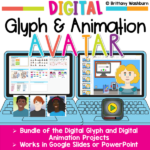
Teachers shared that they and their students loved using Brittany’s activity! They will be asked to work across slides in either Google Slides or PowerPoint, copy and paste between slides, resize pieces, layer pieces, group pieces, and save their finished work as an image file. Then try digital animation with your students by allowing them to create their own Avatar Character! Students choose from background options and then add shapes, text, and clip art graphics to make a scene. Next they duplicate the slide and make a small change over and over (about 50 times) to animate the scene. Once the stop motion animation is complete students publish it to the web and can optionally make it into a GIF using a website tool.
Incorporating Technology in Different Subjects
STEM Education
In STEM education, technology is the glue that holds together science, technology, engineering, and math learning. Whether it’s using simulations to understand chemical reactions or coding robots for math problems, tech integration makes these subjects more relevant and fun and teachers are one the front line of making this happen.
Humanities and Social Sciences
Technology isn’t just for the science types; it’s equally transformative in humanities and social sciences. Students can analyze historical events through interactive timelines or create digital presentations that bring social issues to life. Suddenly, history feels less like memorizing dates and more like understanding human stories.
Arts and Creative Expression
In the arts, tech allows for new avenues of creative expression. From digital art programs to music composition software, students can explore their artistic talents in ways that were unimaginable a few years ago.
Student Feedback: What Makes Activities Memorable
Engagement and Fun Factor
Activities that spark joy not only capture attention but also foster a positive learning environment. Whether it’s gamified learning, virtual field trips, or collaborative projects, if it’s fun, students will be the first to raise their hands for round two.
Real-World Applications
Students are often heard saying, “Why do I need to know this?” But when technology activities are linked to real-world scenarios—like coding a website for a school event or using data analysis to solve a community issue—suddenly, the lights come on. These activities transform abstract concepts into tangible skills, making students feel like they’re in the driver’s seat of their own education.
Opportunities for Personalization
When students can tailor activities to match their interests or learning styles, they’re more likely to engage wholeheartedly. Platforms that allow for student choice and creativity not only cater to diverse learners but also lead to some pretty memorable outcomes!
Strategies for Effective Technology Integration
Aligning Activities with Learning Objectives
Aligning tech activities with learning objectives helps teachers stay focused and makes assessments a breeze.
Professional Development for Educators
Teachers are the unsung heroes of the classroom, and investing in their professional development is key to successful tech integration. Training sessions should be as engaging as the activities they’ll be implementing—think dynamic workshops and peer collaboration. When educators feel empowered, students reap the benefits.
Future Trends in Educational Technology Activities
Emerging Tools and Platforms
The tech world moves faster than a toddler in a candy store! As new tools and platforms emerge, educators have a plethora of options to choose from. Think virtual reality explorations, interactive simulations, or even blockchain for tracking student progress. Staying ahead of the curve means hands-on activities that keep students excited and engaged.
Increased Use of AI in Education
AI in education is not just a sci-fi fantasy anymore; it’s here and ready to lend a helping hand (or digital brain). From personalized learning assistants to automated grading systems, AI can streamline processes and create tailored learning experiences for students. The future might just have robots as our new teaching assistants—cue the dramatic music!
Personalized Learning Experiences
Forget one-size-fits-all; the future is all about personalization! With adaptive learning technologies, students can navigate their education at their own pace, exploring topics that intrigue them while still mastering the core curriculum. This approach not only keeps learners engaged but also inspires a genuine love for knowledge.
Fostering a Love for Learning Through Technology
Reflecting on Student Experiences
It’s crucial to take a step back and reflect on what activities made a lasting impression. Gathering student feedback and sharing success stories can inform future practices and help educators fine-tune their tech integration.
Encouraging Lifelong Learning
At the end of the day, the goal is to cultivate curiosity and a passion for learning that extends beyond the classroom. By integrating truly engaging technology activities, we’re not just teaching students what to think; we’re inspiring them to ask questions, seek knowledge, and embrace the lifelong journey of learning.
The appeal of technology activities in education lies in their ability to engage students while enhancing their learning experiences. By identifying and incorporating the activities that resonate most with learners, educators can create a more dynamic and enjoyable classroom environment. As technology continues to advance, the potential for innovative learning opportunities will only grow, making it essential for educators to stay informed and adaptable. Ultimately, fostering a love for learning through technology not only benefits students academically but also prepares them for a future where digital skills are paramount.
Recommended products
-

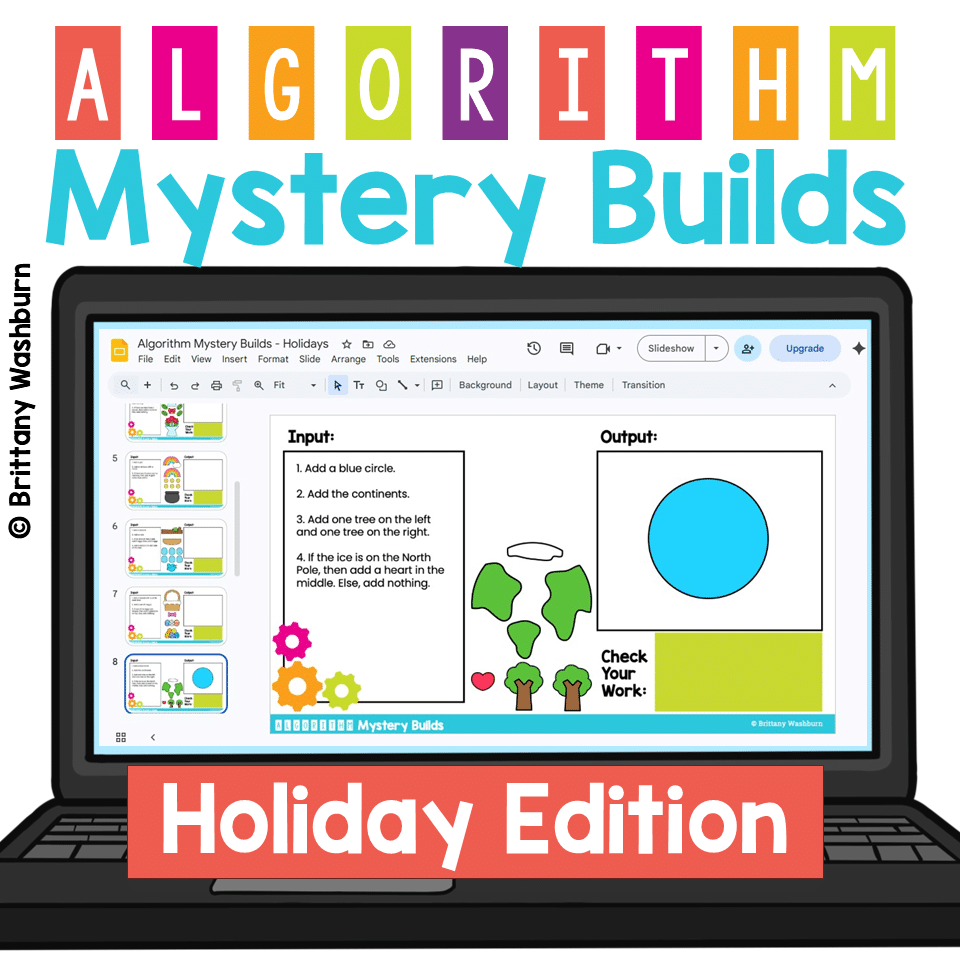
Algorithm Mystery Builds – Holiday Edition
$6.00 -
Alphabet Build and Type Digital Activity
$10.00 -
Algorithm Mystery Builds Digital Activity
Original price was: $8.00.$4.00Current price is: $4.00.