How to Make Sub Plans for an Extended Leave
Planning for an extended leave as an educator can be a daunting task, but creating effective substitute plans can allow your students to maintain continuity in learning and classroom management. A well-organized set of sub plans not only provides clear guidance for the substitute teacher but also ensures that students remain engaged and on track during your absence. We will guide you through the essential steps to develop comprehensive sub plans that address classroom needs, outline lesson objectives, and prepare for a smooth transition back to teaching. Whether you’re facing a planned leave or an unexpected absence, having a solid plan in place can make all the difference in preserving the integrity of your classroom environment.
Understanding the Importance of Effective Sub Plans
Why Sub Plans Matter for Student Continuity
When you have an extended leave, sub plans ensure that your students don’t fall through the cracks while you’re away. They provide a structured path for students to continue their academic journey in your absence, maintaining momentum and keeping knowledge flowing. A well-crafted sub plan helps students stick to their learning objectives and minimizes the disruption that can occur when the regular teacher is away.
The Role of the Substitute Teacher
Think of the substitute teacher as a temporary captain of your classroom ship. A substitute isn’t just there to keep the peace; they’re there to facilitate learning. Clear sub plans empower them to effectively deliver lessons, manage classroom behavior, and engage students while you’re away, ensuring that everyone stays afloat until you’re back at the helm.
Assessing Classroom Needs and Student Learning Objectives
Identifying Key Learning Outcomes
Pinpoint the key learning outcomes you want your students to achieve. This is no time for vague aspirations—specific goals will keep the substitute and students on track. Decide what knowledge and skills you want students to focus on during your absence, and make sure these outcomes are clearly outlined.
Evaluating Classroom Dynamics and Student Needs
Every classroom is unique. Understanding the dynamics—who works well together, who needs a little extra guidance, and who might require a gentle nudge—is essential. Of course, this also means leaving notes on any specific accommodations for students with diverse needs. The more insights and contextual nuances you provide, the better prepared your substitute will be to foster a positive learning environment that mirrors your own.
How to Handle Grading Student Work with a Substitute
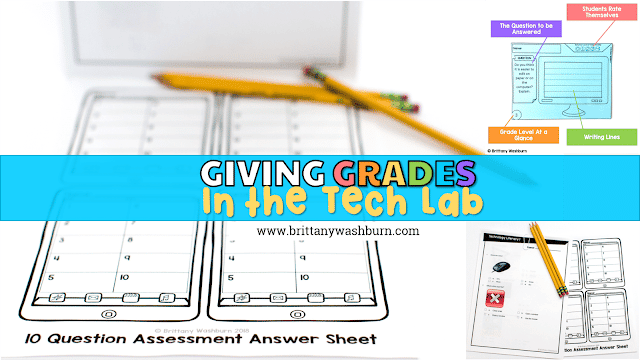
In some cases it is not permitted for a substitute teacher to grade student work. In others they can, but the trick is how to let them access your digital grade books without incurring major security concerns.
Your department chair, an administrator or someone else on your teaching team may be able to help with grading during your leave.
If you just want students to show completion or their words per minute in your typing program of choice, they could show their computer screen to the substitute who can then document if they completed it. Students can also screenshot their scores and the sub can record or update grades that way. The screenshot can be put onto a Word doc that they email you, uploaded into Canvas as an assignment, or whatever other method works. Students could even do a project at the end or an extended leave where they screenshot proof and create a presentation to show what they have done for the time you were away.
You can also try leaving your sub armed with automatically graded tests, such as could be created around task cards used with Google Forms.
If your substitute can grade for you, you can often add subs on platforms like Canvas. In addition, your tech department might be able to add them as a teacher to your courses.
Alternatively, some teachers in our Facebook Community shared that their school’s policy is to give long term subs their passwords and then change them when the regular teacher gets back.
Creating a Detailed Lesson Plan Template
Standardizing Lesson Plans for Consistency
The key to creating continuity is a standardized lesson plan template. Craft a template that includes sections for daily objectives, activities, and timing. This consistency helps substitutes quickly grasp what they need to accomplish each day, making their job easier and your classroom more productive.
Including Clear Instructions and Expectations
Your lesson plans should have clear, step-by-step instructions for each activity, along with expectations for student behavior and participation. Anticipate questions a substitute might have and provide answers upfront—this sets them up for success so they can maintain a positive atmosphere in your classroom.
Selecting Appropriate Resources and Materials
Gathering Textbooks and Supplementary Materials
Gathering resources is akin to packing for a long trip—make sure you have everything you’ll need (and maybe a little extra). Compile textbooks, worksheets, and any supplementary materials that’ll assist your substitute in delivering lessons. Consider organizing these resources by day or subject matter, so the substitute can easily access what they need without going through your classroom cupboards.
Utilizing Digital Tools and Online Resources
In our tech-savvy world, online resources are a teacher’s best friend. Equip your sub with links to educational websites, digital tools, and multimedia resources that can enhance the learning experience. Consider creating a quick tech guide for any tools that students are familiar with or that you plan to use. This way, your substitute can seamlessly integrate technology into lessons.
Brittany’s Own Sub Plans & Resources
We’ve given you articles that explain all about Sub Plans for the Elementary Computer Lab, Back Up Plans for the Computer Lab as well as Technology Tools for Foolproof Sub Plans.
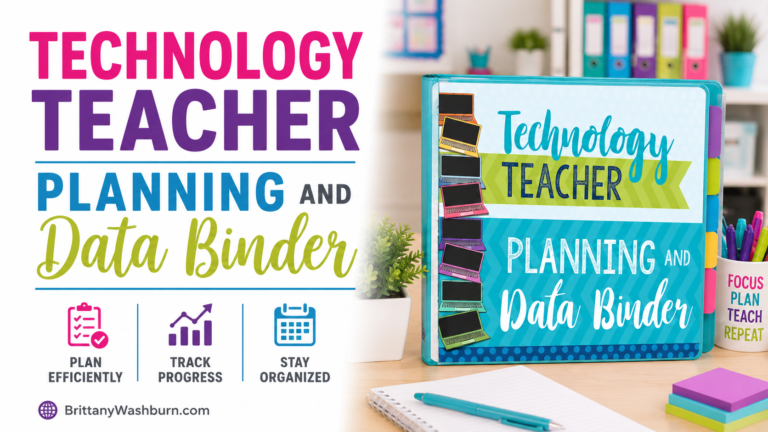
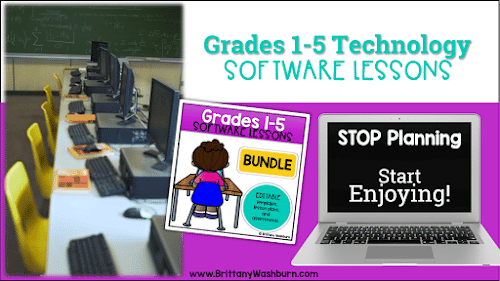
My store also has some ready-made sub plans and planning resources to come to the rescue when a computer lab teacher needs to be out of the classroom for a while.
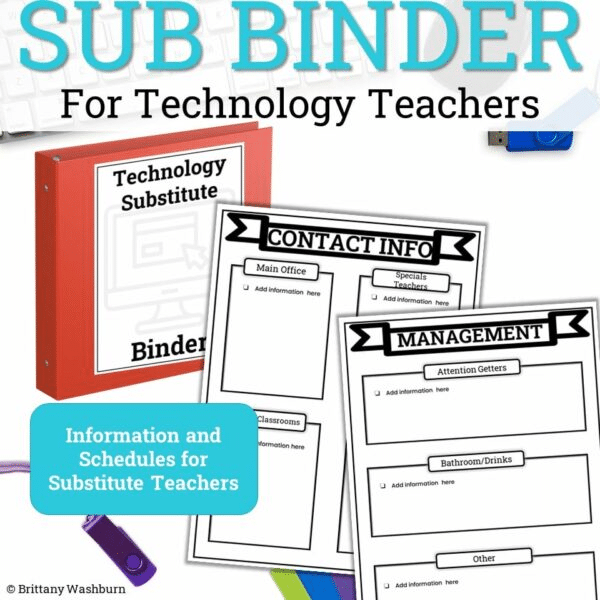
Substitute Binder and Forms for Technology Teachers
Sub Plans for the Computer Lab Bundle
Communicating with Substitute Teachers
Providing Essential Contact Information
Make sure your substitute has all the essential contact information at their fingertips. This includes your phone number, email, and if you’re feeling up to it perhaps a friendly note saying you’ll be just a text away if they need reinforcements. Don’t forget to provide contacts for admin and any other teachers they might need to chat with as well!
Setting Up a Pre-Leave Meeting
If you want your substitute to feel like they’re stepping into a well-oiled machine (or at least a functional one), consider setting up a pre-leave meeting. This gives you both a chance to go over lesson plans, classroom quirks, and even those students who may or may not be plotting a coup. A little face-to-face time allows you to answer questions and pass along wisdom that may not be easy to condense into a set of instructions on a page!
Preparing for Potential Challenges and Student Behavior
Anticipating Common Issues and Solutions
No one likes surprises—especially not when it comes to class clown antics or unexpected meltdowns. Take a moment to jot down potential issues that might arise while you’re away, such as the student who seems to think they’re a stand-up comedian or the one who might miss you just a bit too much. Provide clear, actionable solutions for each common hiccup, like “If Student A starts cracking jokes, respond with a dad joke of your own,”.
Explaining Classroom Management Guidelines
A strong set of classroom management guidelines can be the difference between smooth sailing and a rocky voyage for your substitute. Outline the rules and expectations clearly, and maybe even sprinkle in some positive behavior incentives. Create a “go-to” list of strategies your students are used to for handling misbehavior, from simple reminders to the classic “give me five” attention-getter, ensuring your substitute feels empowered to tackle any situation like a pro.
Tips for Transitioning Back into the Classroom
Reviewing Student Progress and Feedback
As you step back into the classroom, it’s essential to grab a cup of coffee and review the progress reports and feedback left by your substitute. Not only will this help you gauge how your students fared in your absence, but it will also equip you with insights into any struggles they might have faced. Jot down a few key takeaways to discuss with your students, then get started on that first class meeting!
Reconnecting with Students Post-Leave
Reestablishing your connection with students after an extended break can feel like reuniting with old friends who have gone through some wild adventures in your absence. Start with some lighthearted conversations about what they experienced while you were gone. You could even share stories about your own leave! This rapport-building is crucial.
Gathering Feedback from the Substitute Teacher
Once the dust settles and you’re back in the groove, check in with your substitute for their thoughts on how everything went. Were your plans easy to follow? Did they have the resources they needed? Use their feedback as an opportunity to tweak your sub plans for the future.
Assessing Student Outcomes and Areas for Improvement
Finally, take a good hard look at student outcomes from your time away. Did they achieve what you hoped they would? Did any specific strategies flop? This reflection is about figuring out what worked, what didn’t, and how to make future plans even more foolproof. Because let’s face it, the goal is to have students flourishing—even when you’re not around to oversee the magic!
Effective sub plans are a vital component of successful classroom management during an extended leave. By taking the time to assess your classroom needs, create detailed lesson plans, and communicate clearly with your substitute, you can ensure that your students continue to thrive in your absence. Reflecting on the experience afterward will also help you refine your approach for the future. With careful preparation, both you and your students can maintain a positive and productive learning environment.