How to Build a 3rd Grade Digital Citizenship Unit
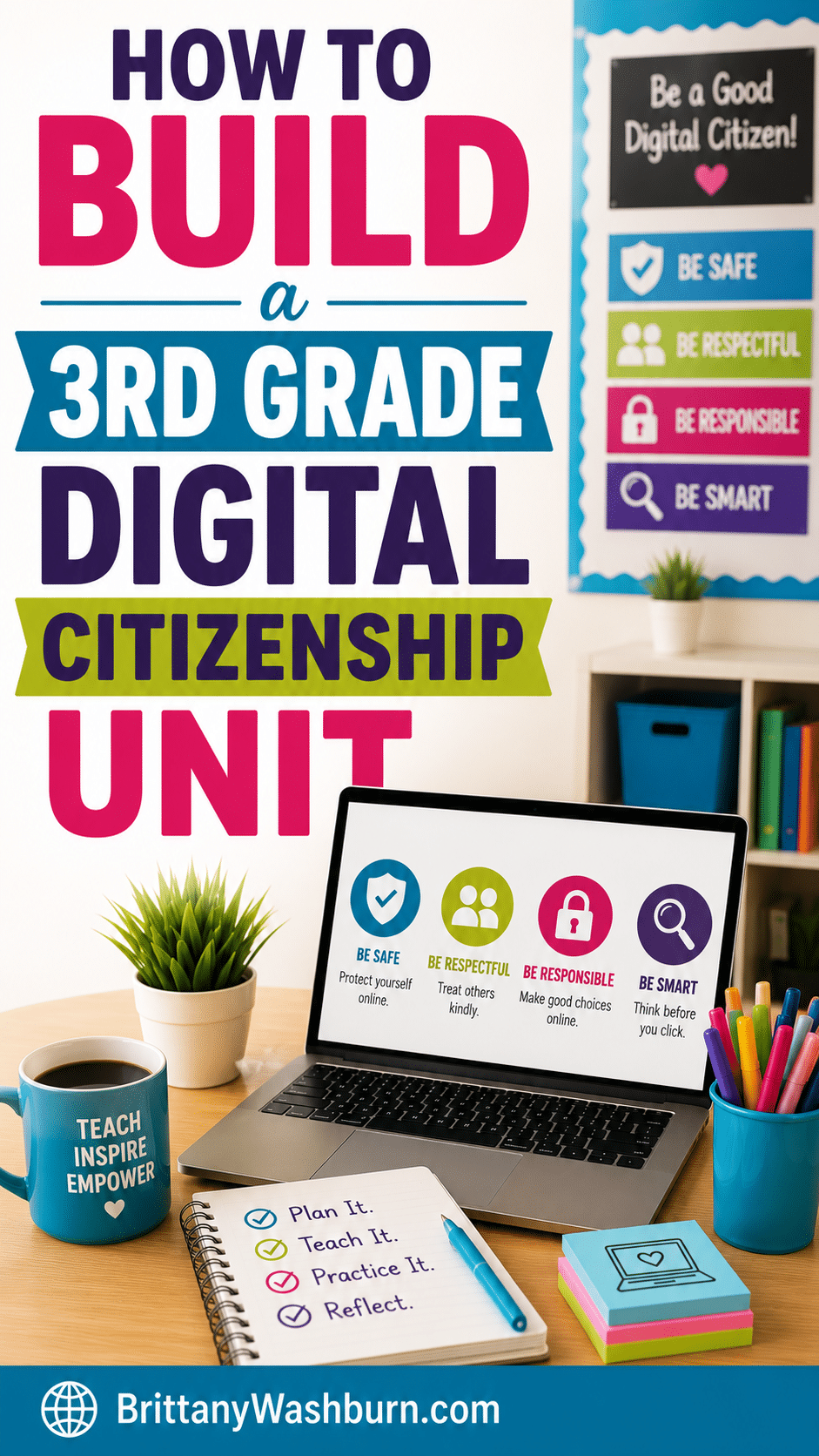
Teaching students about responsible online behavior is more important than ever. Third graders are beginning to use their computers for important academic purposes, such as research. They may be increasingly savvy when it comes to technology, but they often need guidance on how to navigate the digital world safely and respectfully. Developing a digital citizenship unit for your classroom can set the foundation for responsible behavior online and help your students thrive in their digital interactions.
Define Digital Citizenship
Start by introducing the concept of digital citizenship to your students. Use simple language and relatable examples to explain that it involves knowing how to use technology safely, responsibly, and ethically. You might say that being a good digital citizen means treating others kindly online, protecting personal information, and understanding what is appropriate to share on the internet.
Consider using stories, such as The Surfing Penguin by Kim Maslin to help illustrate these difficult ideas.
Identify Key Digital Citizenship Topics for 3rd Graders
Once your students grasp the idea of digital citizenship, it’s time to break it down into key topics. You can design your unit around several important themes, such as:
- Online Safety: Teach students about the importance of safeguarding personal information, understanding secure passwords, and recognizing safe websites.
- Digital Footprint: Explain that everything they do online leaves a digital footprint, and discuss how future employers or colleges might look back at their online activities.
- Respect and Etiquette Online: Teach students about being respectful in their online communications, which includes understanding tone, language, and how to behave in virtual interactions. Also discuss the effects of cyberbullying and how to respond if they encounter it. Include role-playing scenarios to help students practice how to stand up against bullying both online and offline.
- Information Literacy: Help students learn how to discern credible sources from unreliable ones, reinforcing the importance of verifying information before sharing it.
Establishing Learning Objectives for the Unit
Aligning with Educational Standards
When building a digital citizenship unit, aligning your objectives with educational standards ensures that what students learn is both relevant and valuable. Familiarize yourself with your local curriculum and integrate key concepts that meet these standards.
Setting Measurable Goals
To track progress and ensure that students are grasping the concepts, set measurable goals for their learning outcomes. Use clear, concise statements like “Students will be able to identify at least three online safety practices” or “Students will demonstrate respectful communication in digital discussions.” These will not only provide a roadmap for your unit but also give students a sense of accomplishment as they reach milestones along the way.
Use Engaging Resources
Incorporating engaging resources into your unit will capture the students’ attention and enrich their learning experience. Use videos, books, interactive websites, and games that focus on digital citizenship. Websites like Common Sense Media offer extensive resources tailored for various grade levels. Consider showing informative videos that illustrate the concepts in action or reading age-appropriate books related to digital citizenship.
Interactive Activities
Children learn best when they are actively engaged, so plan hands-on activities to reinforce the concepts. Here are a few ideas:
- Role-Playing: Create scenarios where students can role-play different digital situations, such as encountering a cyberbully or sharing personal information. This practice will build their confidence in handling real-life situations.
- Classroom Discussion: Facilitate discussions where students can share their thoughts and questions about digital citizenship. Encourage them to brainstorm solutions to issues they might face online.
- Creative Projects: Assign students to create posters or presentations about different aspects of digital citizenship. They can even write stories or skits that convey important lessons.
Brittany’s Own Digital Citizenship Resources for 3rd Grade
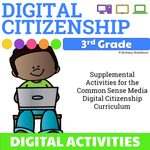
3rd Grade Digital Citizenship Activities
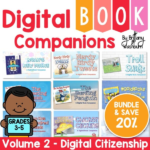
Digital Citizenship Grades 3-5 Digital Book Companions Bundle
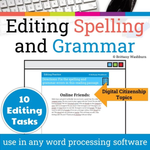
Editing Spelling and Grammar with Digital Citizenship Text
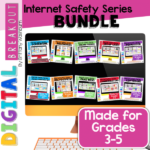
Internet Safety Topics Digital Breakouts Bundle
Assessing Student Understanding and Growth
Creating Rubrics for Digital Citizenship Projects
When it comes to evaluating your students’ grasp on digital citizenship, a concise and clear rubric is your best friend. Think of it as a map that outlines expectations for performance, guiding students on their journey through the digital landscape. Focus on key concepts such as online safety, information literacy, and respectful communication then break down the categories into levels of achievement. Rubrics encourage students to take ownership of their learning while giving you the clarity you need to assess their progress effectively.
Formative vs. Summative Assessment Strategies
Formative assessments, like quizzes and reflective journals, are excellent for checking in during the unit. They’re your chance to gauge understanding and tweak instructions as needed. On the flip side, summative assessments—such as final projects or presentations—help you measure student comprehension after the unit wraps up. These take a snapshot of learning. Incorporate both types for a full picture and watch those digital citizens thrive!
Encouraging Parental Involvement and Support
Communicating Unit Objectives to Parents
Don’t forget to involve parents in the learning process. Send out an engaging newsletter or hold a short informational workshop detailing the unit’s objectives. You can share what students are learning and provide tips for parents on how to reinforce these lessons at home.
Suggestions for Home Activities
Suggest activities like setting up a family social media etiquette agreement or hosting a “screen-free” night where everyone shares their favorite non-digital hobbies. Encourage parents to have open discussions about online experiences, fostering an environment of collaboration and learning.
Resources and Materials for Educators
Books and Articles on Digital Citizenship
Books can offer a comprehensive guide on integrating digital citizenship into your curriculum. Articles from reputable sources like Edutopia or Common Sense Education also provide invaluable insights and practical strategies. Arm yourself with knowledge, and you’ll be all set to guide your students through the online world like a seasoned pro.
Online Courses and Workshops
Dive into online courses and workshops focusing on digital citizenship. Websites like Coursera and EdX offer courses tailored for educators looking to level up their skills. You’ll find everything from practical lesson plans to innovative assessment strategies.
Final Tips
Building a digital citizenship unit for your third graders is an essential step toward ensuring they thrive in today’s technology-driven world. By incorporating engaging lessons and activities, you empower your students to be responsible, respectful, and safe online. With your guidance, they will learn vital skills that will benefit them now and in the future.