
Digital Citizenship Rules Students Should Take More Seriously… & How to Reteach Them
As young individuals engage with technology daily, understanding the rules and responsibilities that come with digital interaction is essential. Digital citizenship not only encompasses the ethical use of technology but also highlights the importance of online etiquette, privacy, and respect for intellectual property. Unfortunately, many students overlook these vital principles, often leading to detrimental consequences in their personal and academic lives. We will review the critical rules of digital citizenship that students must take seriously and provide effective strategies for educators and parents to reteach these important concepts, ensuring that the next generation is well-equipped to thrive in a digital society.
Understanding Digital Citizenship
What is Digital Citizenship?
Digital citizenship is the ability to use technology responsibly and ethically. It’s about navigating the virtual world while treating others with respect, understanding the importance of privacy, and being aware of your digital footprint.
Historical Context and Evolution of Digital Citizenship
Once upon a time, the internet was a wild west of dial-up connections and pixelated graphics. As more people jumped online (and the cat videos started to proliferate), the need for digital citizenship emerged. Early frameworks focused on basic online safety, but we’ve since evolved to include issues like cyberbullying, online privacy, and combating misinformation. Our digital landscape is like a river that keeps changing course, and being a good digital citizen means learning to navigate those waters without falling in.
The Importance of Digital Etiquette in Today’s World
The Impact of Online Behavior on Personal Reputation
In the age of social media, a strong digital reputation can open doors—college admissions, job opportunities, and that invitation to the exclusive party. On the flip side, a digital faux pas can quickly turn you into a cautionary tale in your friend group.
Consequences of Poor Digital Etiquette
Poor online behavior can lead to cyberbullying incidents, strained relationships, and even legal consequences. Not to mention, it can haunt you when future employers Google your name and stumble upon something they don’t like from years ago.
Common Misconceptions About Digital Citizenship
Digital Citizenship is Only for Tech-Savvy Individuals
Anyone who uses the internet—from your grandma sharing cat memes to you posting your lunch—has a stake in digital citizenship. It’s like saying only chefs need to know how to cook; at some point, we all have to enter the kitchen of the online world, and no one wants to walk in on a fire drill.
Assuming Digital Citizenship is the Same as Cybersecurity
While cybersecurity deals with protecting devices and data like a digital Fort Knox, digital citizenship is more about how we behave in that fortress. Sure, knowing how to defend your digital castle is vital, but being a good digital citizen means understanding how to treat the other inhabitants with kindness. You wouldn’t launch an attack on the neighboring castle for their questionable stained glass choice, right?
Key Rules of Digital Citizenship Every Student Should Know
Respecting Others Online: The Foundation of Digital Etiquette
Just like in any good neighborhood, respect is key! That means treating others online as you would like to be treated—no trolling, no insults, just good digital vibes. We must help students remember that behind every screen is a real person with feelings, and their keyboard courage should always take a backseat to kindness. In addition, making drama online can easily carry over in person and at school among people you interact with both on and offline.
Once something is posted it stays forever. If you can’t show it to your mother then don’t post it! Just because you delete something doesn’t mean that it is not still out there and someone hasn’t already copied it and shared it. What they search online is also forever.
Consent to post is another topic that students can be oblivious about, especially if they are already in the habit of over-sharing about other people’s business verbally.
Understanding Privacy and Data Protection
Understanding privacy settings and knowing what to share (and what to keep close) is crucial. We need to think twice before posting our location or sharing personal information with the world—some things are best kept private!
“Don’t give anyone your password!!!” No matter how many times you say it, many students still seem to struggle with keeping their passwords private both from those they meet online and those they are sharing the classroom with. Teaching Your Kids About Passwords and reminding them to stay vigilant is a must.
Instantly making an account to play random online games is another common pitfall. Giving away personal info to websites when they have no idea what will be done with it just isn’t wise.
Staying Safe
Online “friends” are different than friends in the real world. Get students to identify one older responsible person in their life they feel like they could go to if they ever felt uncomfortable or weird about an interaction online.
Encourage students, especially those who are still in elementary school, to learn to connect face to face. Social media, gaming communities and other online relationship building arenas can be a wonderful thing. However, maintaining a healthy balance between digital and physical interactions is extremely important.
Intellectual Property: Respecting Copyright and Fair Use
Plagiarism is serious. Just because something is on the internet doesn’t mean it’s free for all to use. Understanding copyright and fair use is essential for any aspiring digital citizen. Teachers need to train students from the very beginning to always give credit where it’s due, whether that’s tagging an artist or admitting that your latest essay idea was inspired by that hilarious post you saw last week.
Spotting Reliable Sources
Students need to know that they cannot trust everything you read online and learn to practice discernment. Just because someone presents information well or in an aesthetically pleasing manner does not make it accurate.
Strategies for Reteaching Digital Citizenship Principles
We have the Digital Citizenship in the Elementary Classroom Teaching Guide, Free Video Resources to Teach Digital Citizenship, and Effective Ways to Promote Digital Citizenship in the Classroom available to equip you with many ways to re-teach these critical concepts.
This collection of Digital Citizenship Week Activities for K-5 I put together has great ideas for you to try, and my shop has a fair few Digital Citizenship Activities at your disposal as well!
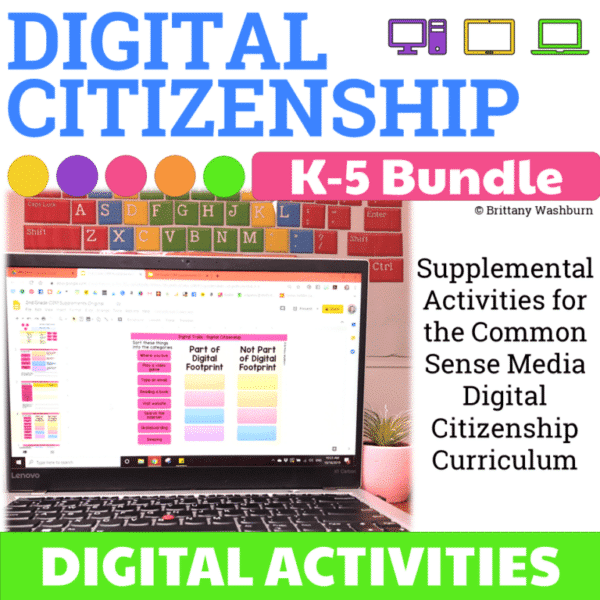
Digital Citizenship Activities Bundle
Utilizing Interactive Learning Techniques
Nothing keeps a student’s attention like a little friendly competition. Use games, quizzes, and simulations to make digital citizenship principles come alive. Platforms like Kahoot , Educandy and Quizlet can turn mundane lessons into engaging challenges. The more interactive the learning, the less likely they are to zone out!
Incorporating Technology in the Classroom
Leverage the very technology you’re teaching about! Use social media, blogs, or even podcasts to help students understand digital citizenship in a context they’re familiar with. For example, you could have them create a mock social media profile reflecting the good, the bad, and all that comes with it. It’s a great way to show them how their digital footprint can follow them like a ghost!
Engaging Students Through Real-World Digital Scenarios
Case Studies: Success Stories and Lessons Learned
Share case studies that spotlight both failures and triumphs in digital citizenship. From viral social media mishaps to successful campaigns promoting kindness online, these narratives serve as tangible takeaways. When students see real-life consequences or benefits, they’re more likely to grasp the importance of good digital behavior.
Role-Playing Activities to Illustrate Digital Challenges
Put those acting skills to the test! Role-playing can help students walk a mile in someone else’s digital shoes. Create scenarios where they have to navigate cyberbullying, privacy issues, or online scams. By acting out these challenges, they not only learn but also develop empathy and problem-solving skills.
The Role of Educators and Parents in Promoting Digital Citizenship
Collaborative Approaches Between Schools and Families
Digital citizenship isn’t just the school’s responsibility—it takes a village! Encourage open communication between educators and parents to reinforce good practices at home. Workshops, newsletters, or even a joint social media group can help keep everyone on the same page. When families and schools unite, students are surrounded by a fortress of support and guidance.
Continuous Learning and Adaptation in Teaching Digital Citizenship
In the ever-changing digital landscape, educators should stay updated on digital trends and issues. By attending workshops or following educational leaders on social media, they can continuously adapt their teaching methods.
Measuring the Impact of Digital Citizenship Education
Assessment Techniques for Digital Citizenship Competency
Use a variety of methods to gauge students’ understanding of digital citizenship. This can range from reflective essays and presentations to creative projects that showcase their learning. By mixing it up, you can get a clearer picture of their competencies.
Final Thoughts
Instilling the values of digital citizenship in students is more crucial than ever. By emphasizing the importance of respectful online behavior, privacy awareness, and responsible content sharing, educators and parents can empower students to become conscientious digital citizens. Revisiting and reinforcing these principles regularly can help shape a generation that not only excels in technology but also understands the ethical responsibilities that come with it. Together, we can foster a safe and positive online environment for all.


