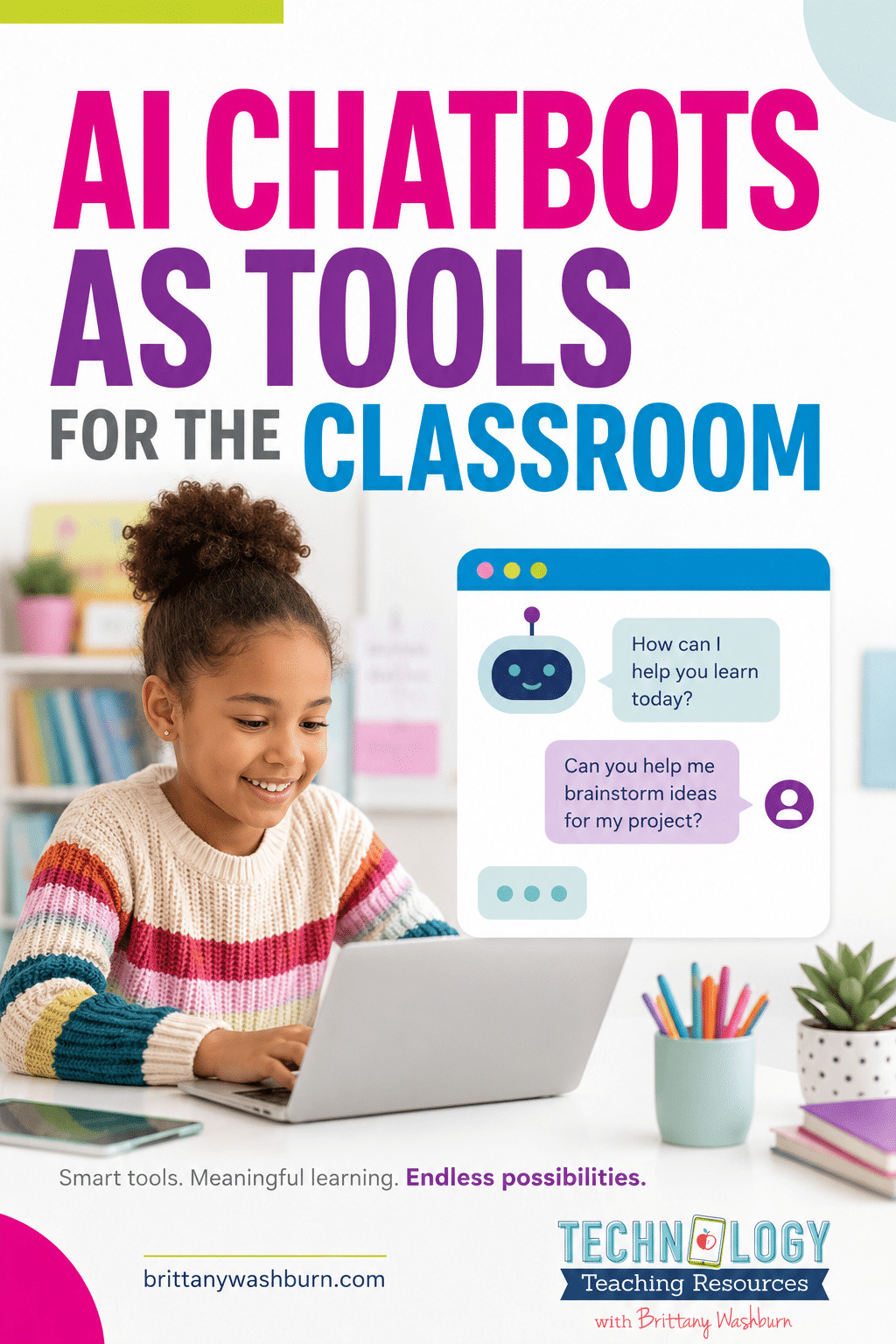
AI Chatbots as Tools for the Classroom
As technology continues to reshape the educational landscape, AI powered chatbots have also emerged as available tools for enhancing classroom experiences. These intelligent systems can provide personalized support, facilitate interactive learning, and streamline administrative tasks, making them valuable assets for both educators and students. By leveraging the capabilities of AI chatbots, teachers can create more engaging and efficient learning environments that cater to diverse student needs. We’ll look at the multifaceted role of AI chatbots in education, highlighting their benefits, challenges, and the future potential they hold for transforming the classroom experience.
Understanding Chatbots: Definition and Functionality
What Are Chatbots?
Chatbots are digital assistants powered by artificial intelligence that can engage in conversation with users. They provide answers, assistance, and even a bit of banter. Think of them as your always-available study buddy who’s ready to help with questions, explanations, or a motivational pep talk.
How Do Chatbots Work?
Chatbots use natural language processing (NLP) and machine learning to understand and respond to user queries. They analyze the input they receive, decipher the context, and generate appropriate responses. The more they’re used, the better they get at providing relevant and helpful information.
Benefits of Integrating AI Chatbots in Education
Accessibility and Availability
AI chatbots never sleep or take coffee breaks, making them the ultimate 24/7 resource for students. Whether it’s a midnight homework crisis or a last-minute question before class, chatbots ensure that help is just a message away. This level of accessibility can be a game-changer for students who need support outside of traditional classroom hours.
Cost-Effectiveness for Institutions
Integrating AI chatbots can help educational institutions save a pretty penny. By automating routine inquiries and administrative tasks, chatbots reduce the need for ancillary staff. This allows schools and universities to allocate funds to more pressing needs—like improving facilities, purchasing new textbooks, or hiring that one teacher who can actually make calculus feel comprehensible.
Enhancing Student Engagement and Interaction
Interactive Learning Through Conversation
AI chatbots foster interactive learning by enabling conversational exchanges that keep students engaged. With chatbots, learning becomes a two-way street rather than a monologue. Students can ask questions and receive instant feedback, making the learning process more dynamic and enjoyable—like turning a boring lecture into an exciting debate club session!
Encouraging Participation in Class Discussions
Students sometimes shy away from speaking up in class, but chatbots can help bridge that gap. By providing a platform for anonymous feedback and questions, they encourage students to voice their thoughts more freely. It’s like giving a microphone to a wallflower—suddenly, everyone has something to say, and class discussions can blossom into vibrant exchanges of ideas.
Personalizing Learning Experiences with AI
Tailoring Content to Individual Needs
One size fits all? Not in the world of education! AI chatbots can personalize learning by adapting content based on individual student needs and progress. They can offer different resources, suggest exercises, or provide targeted quizzes, ensuring that each student receives a learning experience that suits them like a tailored suit—minus the trip to the tailor.
Monitoring Student Progress and Feedback
AI chatbots can also keep an eye on student progress, tracking performance and providing real-time feedback. This allows both educators and students to identify areas for improvement quickly. It’s like having a coach in your pocket who can remind you to practice your free throws or adjust your study habits before midterms hit. With chatbots on the job, no student will slip through the cracks unnoticed!
Tool Roundup
These chatbots all come well recommended! Try them in your classroom to see what they can do to work through problems with both you and your students.
- ChatGPT
- Claude
- Gemini for Education
- Microsoft Copilot
- Perplexity
- Antimatter Sorcerer
- Hello History
- Pi
- Chat PDF
Overcoming Challenges in Implementing Chatbots
Addressing Technical Limitations
Technical limitations, such as inconsistent internet access and inadequate device availability, can pose real challenges. Schools must ensure that infrastructure is up to par before rolling out chatbots. This means upgrading Wi-Fi, securing enough devices, and possibly even training staff on tech basics.
Ensuring Data Privacy and Security
When it comes to data, schools want to keep student information safe from any lurking digital dangers. With AI chatbots gathering data, ensuring privacy and security is paramount. This involves selecting platforms that comply with privacy regulations like FERPA and GDPR. Additionally, setting up clear guidelines on data usage and ensuring that students and staff are aware of privacy policies is key.
Future Trends: The Evolving Role of AI in Education
Advancements in AI Technology
As technology advances, so does the potential for AI in education. We’re moving towards chatbots that can understand context, emotions, and even respond to students with tone—imagine a chatbot that can tell if you’re frustrated or just sleepy! Natural Language Processing (NLP) is improving, making interactions smoother and more intuitive.
Potential for Expanded Classroom Roles
The future could see chatbots taking on expanded roles beyond just answering questions. Think homework helpers, personal tutors, or even virtual study buddies! As they become more integrated into the educational ecosystem, the potential for collaboration between chatbots and educators can lead to more personalized learning experiences. The classroom of the future could be a place where technology and human touch work hand in hand, making learning not just efficient but also enjoyable.
Best Practices for Educators in Utilizing AI Chatbots
Integrating Chatbots into Curriculum Effectively
To truly harness the power of chatbots, educators must weave them into the fabric of their curriculum. This means identifying specific learning objectives that chatbots can enhance and creating engaging content that complements their lessons. By thoughtfully integrating chatbots into everyday learning—whether for quizzes, study aids, or even as a platform for collaborative projects—teachers can enrich their students’ educational experiences while keeping boredom at bay.
Training Educators and Students on Usage
Even the coolest tech is useless if no one knows how to use it. Training sessions for both educators and students are essential in ensuring that everyone feels comfortable and confident with chatbot tools. These sessions should not only cover functionality but also creative ways to leverage chatbots in various subjects. By demystifying the process and providing hands-on experience, educators can turn tech-savvy students into chatbot champions, ready to tackle any challenge with a little digital help!
AI chatbots represent a significant advancement in educational technology, offering innovative solutions to enhance learning and teaching experiences. By embracing these tools, educators can foster a more interactive, personalized, and efficient classroom environment. While challenges remain, the potential benefits of integrating AI chatbots into education are undeniable, paving the way for a more dynamic and responsive approach to learning in the years to come. As we look to the future, ongoing exploration and adaptation will be key to maximizing their impact on education.
Key Takeaways
- AI chatbots enhance classroom experiences by providing personalized support and streamlining administrative tasks.
- These tools offer 24/7 accessibility, making them invaluable for students needing help outside traditional hours.
- AI chatbots foster interactive learning and encourage student participation through anonymous feedback.
- While implementing chatbots presents challenges like technical limitations and data privacy, the benefits in education are substantial.
- Looking ahead, AI chatbots will likely play expanded roles, becoming homework helpers and virtual study buddies in the classroom.