Technology Integration Tips for Kindergarten
Integrating technology into the classroom has become essential, even for our youngest learners. For kindergarten teachers, the challenge lies in finding the right balance between traditional teaching methods and modern technology. Successful integration can enhance learning experiences, foster creativity, and prepare students for the future. Here are some tips on how to effectively incorporate technology in your kindergarten classroom!
Focus on the Basics
Kindergarten students are working on so many things, all at once! It is easy to forget just how many foundational skills are covered in kindergarten, but this grade truly is the cornerstone on which the rest of a student’s education is laid. That is why it is essential to integrate technology skill practice with basic skills the students already need to work on such as letters, numbers and shapes.
Spend your dedicated tech time practicing the skills they’ll need in all their future tech endeavors. We can help you take advantage of How Young Children Learn to Use a Computer Mouse, as well as focus on The Importance of Keyboarding in Kindergarten.
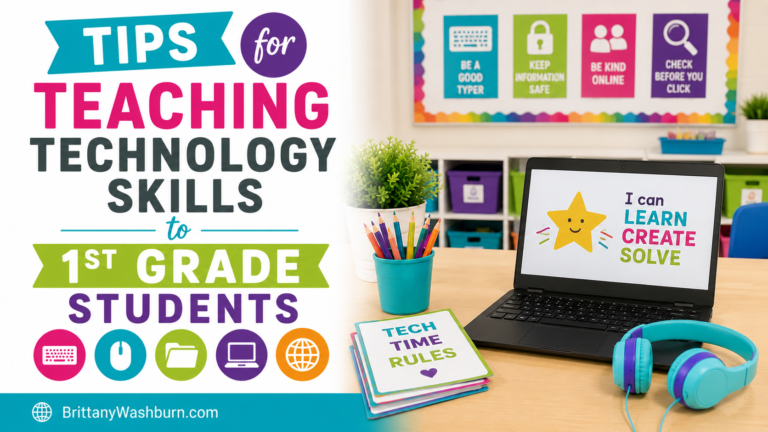
We also have Tips for Teaching Technology Skills to Kindergarten Students to give you a broader overview.
Start Simple with Interactive Apps
Begin with simple, user-friendly apps designed for young children. Look for educational apps that focus on fundamental skills such as literacy, math, and problem-solving. Apps like ABCmouse, Starfall or Khan Academy Kids are popular choices that engage children through interactive storytelling and games aligned with their developmental stages. Ensure that any app you choose is age-appropriate and aligns with the learning objectives for your students.
Use Digital Storytelling Tools
Storytelling is a fantastic way to harness creativity and imagination in young learners. Utilize digital storytelling tools like Puppet Pals or Storybird, which allow children to create and narrate their own stories. These platforms empower students to express themselves and enhance their literacy skills while becoming familiar with digital media. Encourage collaboration by having students work in pairs or small groups, fostering teamwork and communication.
Implement Robotics and Coding Activities
Introducing simple robotics and coding activities can spark interest in STEM subjects from a young age. Kits like Bee-Bot or Cubetto offer interactive experiences that teach basic coding concepts without the need for screen time. Children can program the robots to follow directions or solve puzzles, fostering computational thinking and problem-solving skills. Ensure that these activities are guided, such as introducing the bots with the use of an online emulator, so children feel supported as they explore and learn!
Foster Digital Citizenship
Even in kindergarten, it’s essential to start teaching responsible technology use. We can help you Build a Kindergarten Digital Citizenship Unit! Discuss with your students the importance of sharing, taking turns, and being respectful while using devices. Create classroom rules for technology use, such as “use kind words when others are learning” or “ask for help if you don’t understand.” This foundation in digital citizenship will help students navigate the online world more safely and responsibly as they grow.
Leverage Online Resources and Videos
Use platforms like YouTube Kids or educational websites to find videos that complement your lesson plans. From songs that teach the alphabet to science experiments, these resources can bring your lessons to life. Always pre-screen content for age-appropriateness and educational value, and consider incorporating the videos into hands-on activities to create a multifaceted learning experience.
Brittany’s Resources for Technology Integration in Kindergarten
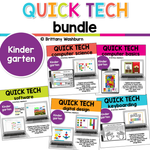
Quick Tech Activities Kindergarten Bundle
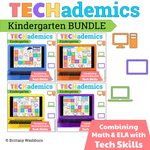
TECHademics Kindergarten Full Year Math and ELA Bundle
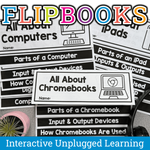
Technology Flipbook Activities – All About iPads, Computers, and Chromebooks Printable Set
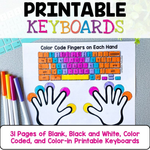
Typing Practice Printable Keyboard Pages
Assess and Reflect
Regular assessment of technology usage in the classroom is vital to ensure it meets educational goals. Gather feedback from students about what they enjoy or find challenging. Reflect on your own practices to determine which tools were effective and which might need modification. By continually assessing and adapting, you can enhance your technology integration efforts for the betterment of your students’ learning experiences.
Encourage Parental Involvement
Involve parents in the technology integration process. Share apps, websites, and resources that families can use at home to reinforce learning. Consider hosting a workshop or information session to help parents understand the importance of technology in education and how they can support their children’s learning journey. This collaboration can strengthen the home-school connection and create a supportive learning environment.
Conclusion
Effectively integrating technology into the kindergarten classroom requires a strategic approach. By utilizing engaging resources, focusing on the basics and fostering a supportive learning environment, teachers can enhance education and properly prepare students for their future endeavors. With the right tools and practices, you’ll help your young learners thrive in both their academic and digital pursuits.